
When a Seller Wants Post - Possession: What Should You Do??
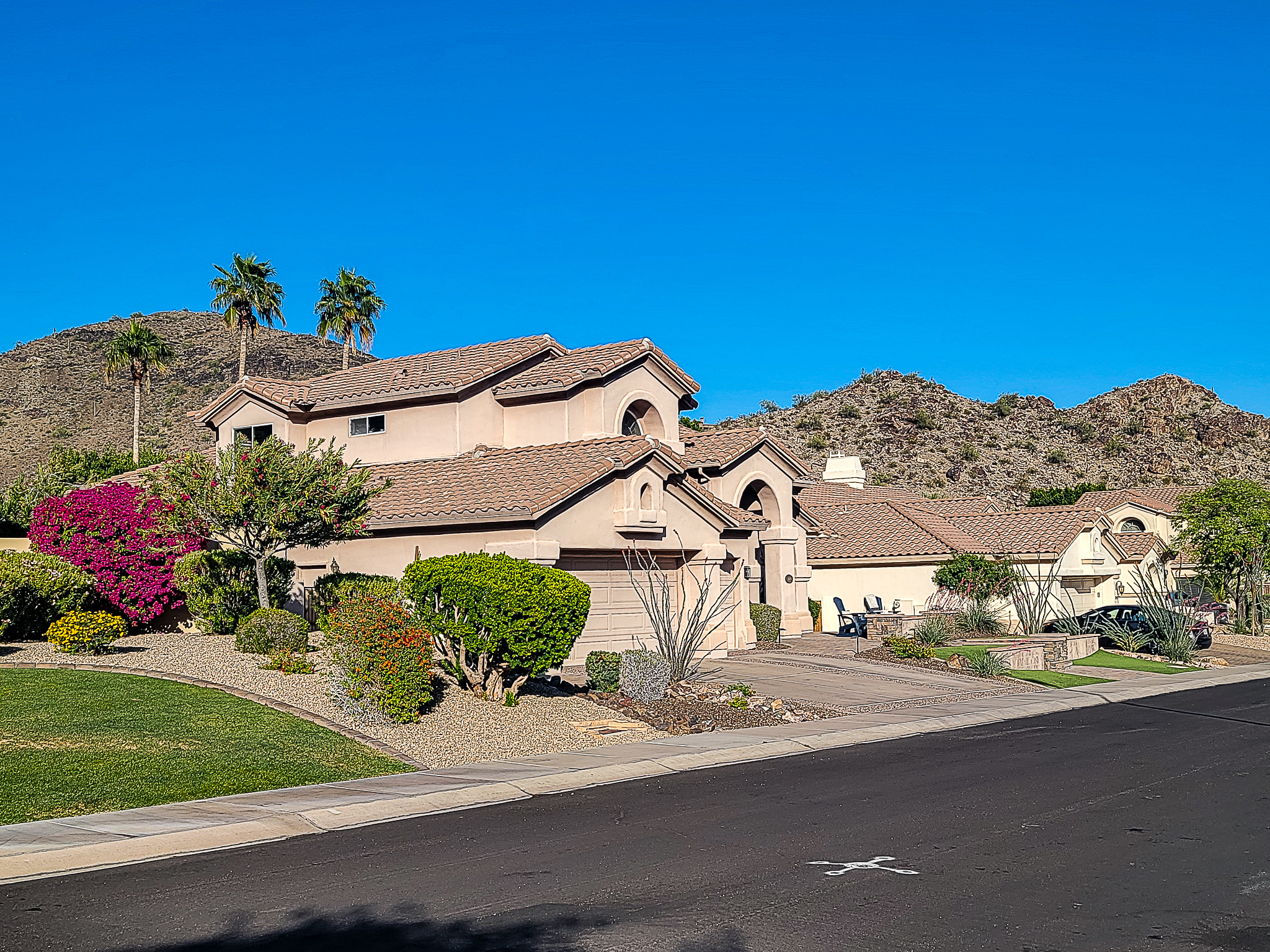
When a Seller Wants Post-Possession: What Should You Do?
By David Thomas, Realtor®
In today’s market, it is not unusual for a seller to ask for a short period of time after closing to stay in the home. This is called post-possession, and while it can make a sale easier to negotiate, it also creates extra risk for the buyer.
If you are the buyer, the first thing to understand is this: once the home closes, ownership has transferred, but the seller may still be living there for a period of time. That means you now own the property, but you may not yet have full physical control of it, which can create complications with move-out dates, insurance, repairs, and liability.
Potential pitfalls of post-possession
There are several things that can go wrong if the agreement is not carefully structured. One common issue is the seller not leaving on time, which can delay your move-in and force you into a legal fight over possession.
Another concern is damage to the home after closing. If the seller is still occupying the property, you need to be clear about who is responsible if something breaks, leaks, or gets damaged before move-out.
Insurance is also a major issue. During the post-possession period, both parties need to understand who is covered, what policy is in place, and what happens if there is a loss, accident, or injury on the property.
There is also the risk that a poorly written arrangement could create landlord-tenant issues, so Arizona guidance strongly recommends legal, insurance, tax, and accounting advice before entering into a post-possession agreement.
How to protect yourself
If the seller needs post-possession, do not rely on a handshake deal. Put everything in writing, including the exact move-out date and time, the amount of any daily occupancy fee or rent, and what happens if the seller overstays.
You should also consider an escrow holdback. This means part of the seller’s proceeds are held back until the seller fully vacates and meets the terms of the agreement, which gives the buyer leverage if there is a problem.
The agreement should also address who pays for utilities, maintenance, repairs, risk of loss, and whether the seller must maintain insurance during the occupancy period.
In Arizona, this is not something to improvise. A short post-possession arrangement may be workable, but it should be documented carefully, reviewed by the right professionals, and handled as a last-step negotiation tool rather than a casual favor.
As a buyer, the safest approach is simple: if the seller wants to stay after closing, make sure the agreement protects your time, your money, and your new home.
— David Thomas, Realtor®
Recent Posts









Making real estate fun, simple and stress-free!