
Monsoon Season Is Here! What Homeowners Need to Know
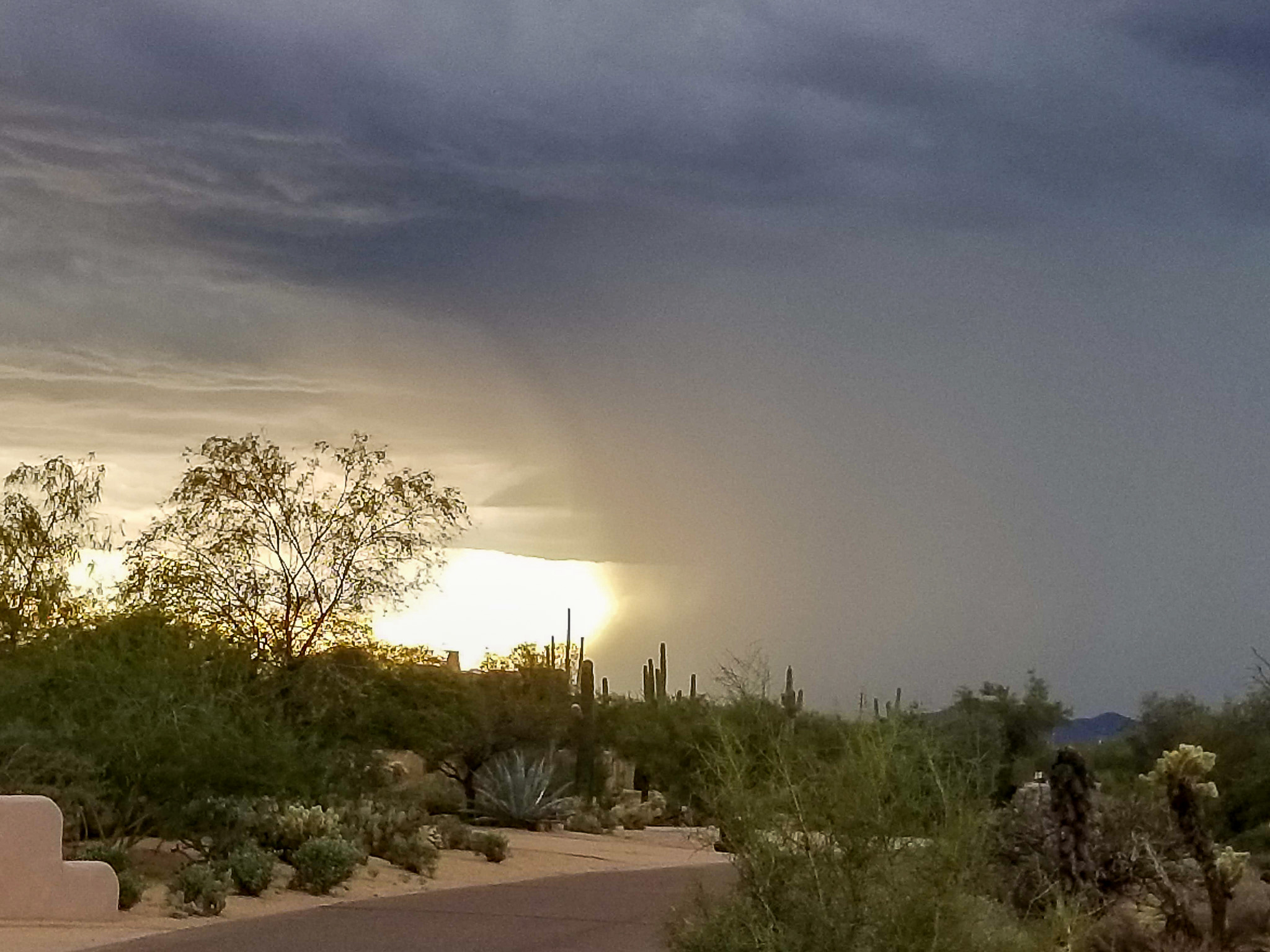
What Is the Arizona Monsoon? (And Why It Matters to Homeowners)
By David Thomas | HomeSmart Realty | onlinearizonahomes.com
In Arizona, June 15th marks the official start of monsoon season — a time of dramatic skies, powerful storms, and much-needed rain across the desert. The word "monsoon" simply means a seasonal wind shift that brings a change in weather patterns, most notably increased moisture and thunderstorms. After more than 30 years helping buyers and sellers navigate the Phoenix metro market, I can tell you: the monsoon is something every Arizona homeowner needs to understand and prepare for.
What Is the Arizona Monsoon?
Each summer, as the desert heats up, low pressure develops over the Southwest. This pulls in moisture from the Gulf of California and the eastern Pacific. When that moisture meets Arizona's intense daytime heating, it fuels thunderstorms — often in the afternoon and evening hours.
Key features of the Arizona monsoon:
- The season runs officially from June 15 to September 30, according to the National Weather Service.
- Storms are often highly localized — Gilbert can get drenched while Chandler stays completely dry.
- Thunderstorms can develop quickly and intensify in a very short window of time.
Interesting Facts About the Arizona Monsoon
Here are some things worth knowing — and worth sharing with anyone new to Arizona life:
- Dust storms (haboobs): Outflow winds from thunderstorms can lift massive walls of dust — sometimes a mile high and many miles wide. If you've lived here long enough, you've seen one rolling across the East Valley. These haboobs can severely reduce visibility and create dangerous driving conditions seemingly out of nowhere.
- Microbursts and straight-line winds: Monsoon storms can produce intense downdrafts called microbursts, generating damaging winds that can topple trees, take out fences, and cause real damage to roofs.
- Lightning: Arizona sees a significant share of its annual lightning during the monsoon months. Lightning can strike well outside the visible storm core — "when thunder roars, go indoors" isn't just a slogan out here.
- Flash flooding: Intense rain over a short period creates serious flash flooding risk, especially in washes, low-lying roadways, and areas affected by recent wildfires. It can be bone dry where you're standing while flooding is happening just a few miles away due to upstream storms.
- Humidity: Arizonans are rightfully proud of the "dry heat" — but monsoon season changes that equation. Humidity levels climb noticeably, and it can feel warmer even when temperatures dip slightly compared to early June.
Why Monsoon Season Matters for Homeowners
For homeowners across the Phoenix metro — from Gilbert and Chandler to Scottsdale, Mesa, and Peoria — the monsoon is more than a dramatic sky show. It's a real test of how well a home is maintained and prepared.
- Roof and drainage: Heavy monsoon rains have a way of exposing issues that went unnoticed all year — roof vulnerabilities, clogged gutters, and poor grading around the foundation. Make sure your drainage paths are clear and water is directed away from the home, not toward it.
- Landscaping and trees: Strong winds stress and sometimes uproot trees, especially those that are overgrown, poorly trimmed, or overwatered. Secure any outdoor furniture, umbrellas, or decorative items that could become projectiles in a microburst.
- Insurance review: Monsoon season is a smart time to dust off your homeowner's insurance policy and confirm your coverage for wind damage, water intrusion, and storm-related repairs. Don't wait until after a storm to find out what's covered.
If you have questions about how monsoon preparedness affects home values, what buyers look for when touring homes during monsoon season, or what sellers should address before listing, I'm always happy to talk. Reach out anytime at onlinearizonahomes.com or give me a call directly.
Recent Posts











Making real estate fun, simple and stress-free!