
Why Do Some Homeowners Prefer North-South Homes?
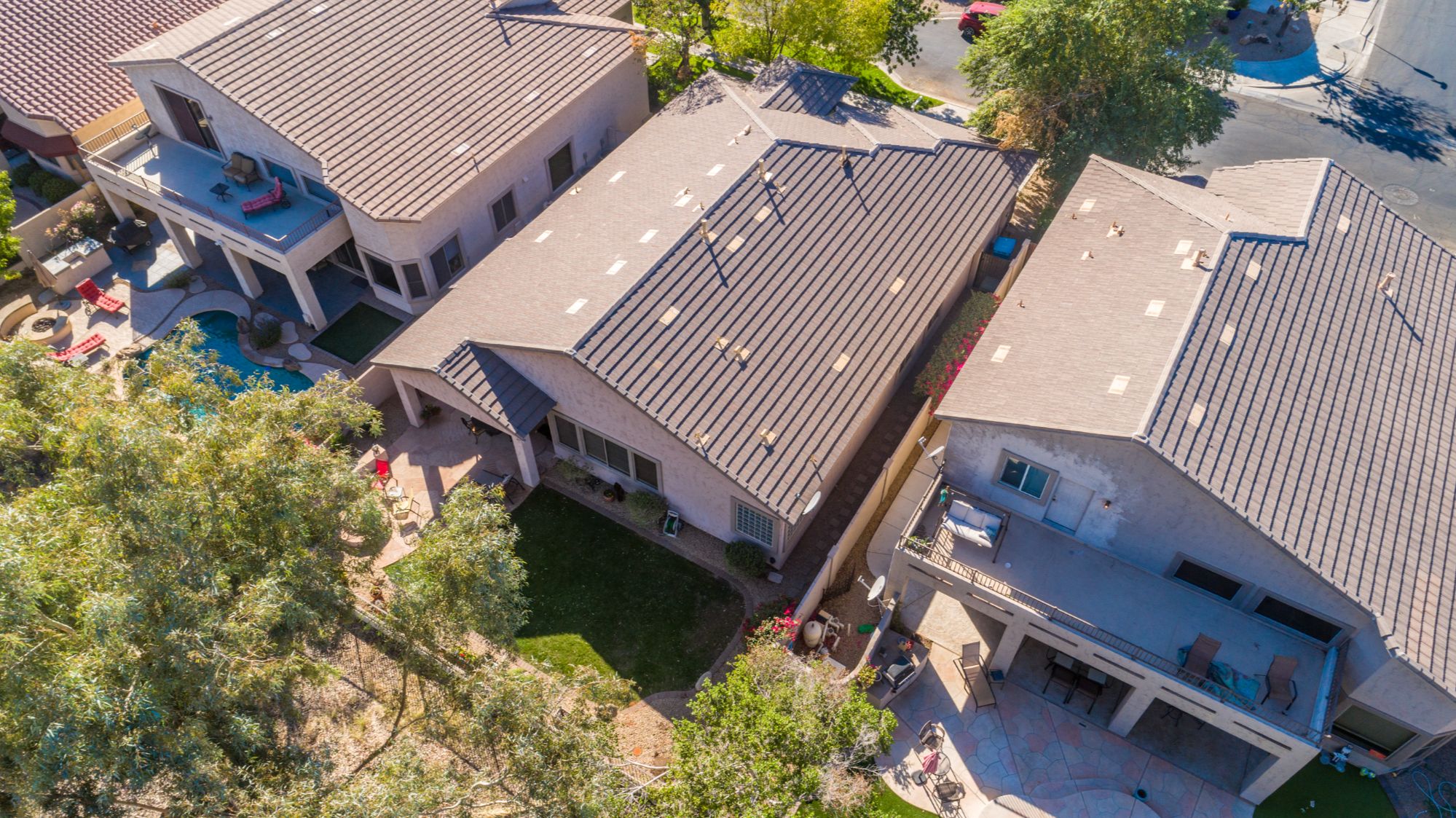
Why North–South Homes Are So Popular in Phoenix
In the Valley, which way your home faces isn't just a preference — it shapes your comfort, your A/C bills, and how much you actually use your backyard.
If you've toured homes in the Phoenix metro area, you've probably heard buyers ask "which way does it face?" — or seen orientation listed as a filter in searches. It might seem like a small detail, but in a desert climate where summer afternoons hit 110°F, the direction your home sits on the lot genuinely matters.
Here's what's behind the preference, and how to think about it whether you're buying, selling, or just trying to get more out of the home you already have.
What "north–south" actually means
When Phoenix buyers say they want a north–south home, they mean the front door faces north or south — which puts the long sides of the house facing east and west. That sounds backwards if you've never thought about it, but there's solid logic to it.
With a north–south orientation, your front and back windows largely avoid the brutal low-angle morning and evening sun that pours through east- and west-facing glass. The long sides of the house face the directions where overhangs, trees, and shade screens can do the most work. The result: less heat pouring through windows, more comfortable rooms, and A/C that doesn't have to work quite as hard.
Why buyers care — and why it matters for sellers too
Less direct sun through large windows means a more stable interior temperature and lower peak A/C load — real money over a Phoenix summer.
A north-facing backyard often gets more shade in the late afternoon — exactly when families actually want to use the patio, pool, or play area.
North–south homes tend to have softer, more even daylight inside rather than the harsh glare that large west-facing windows can bring.
In many Phoenix area neighborhoods, north–south orientation is a documented buyer preference that can give a listing an edge over comparable east–west homes.
Orientation doesn't override location, price, or floor plan — but when two similar homes are competing for the same buyer, it can be the detail that tips the decision.
How north–south and east–west compare day to day
East–west oriented homes aren't bad — plenty of them are beautifully designed and very comfortable. Good overhangs, shade structures, upgraded windows, and mature trees can close the gap significantly. But north–south is generally the easier starting point, especially for buyers who plan to spend time outside in the evenings or who are sensitive to heat.
Working with what you have
If your home doesn't face north–south, you're in good company — a lot of Valley homes don't. Orientation is just one variable, and it's one you can compensate for with some intentional improvements.
- Plant shade trees or add a pergola on the sun-exposed sides of the house. Mature landscaping is one of the most effective ways to reduce heat gain.
- Install exterior shade screens or quality window coverings on east- and west-facing windows to block low-angle morning and evening sun.
- Upgrade insulation in the rooms that take the most direct heat — especially west-facing bedrooms and rooms adjacent to the garage.
- Design outdoor living areas with the sun path in mind. A well-placed patio cover can turn an otherwise brutal backyard into a usable evening space.
Understanding orientation helps buyers make smarter decisions and budget realistically for any shading improvements a particular home might need. As a seller, it's worth knowing where your home falls — and how to frame it honestly for buyers who will ask.
If you're shopping for a home in Gilbert, Chandler, Scottsdale, Mesa, Tempe, or anywhere in the Phoenix metro area and want to talk through how orientation factors into a specific property, I'm happy to walk you through it.
Recent Posts







Making real estate fun, simple and stress-free!