
How to Choose the Right Home in the Phoenix Metro Area
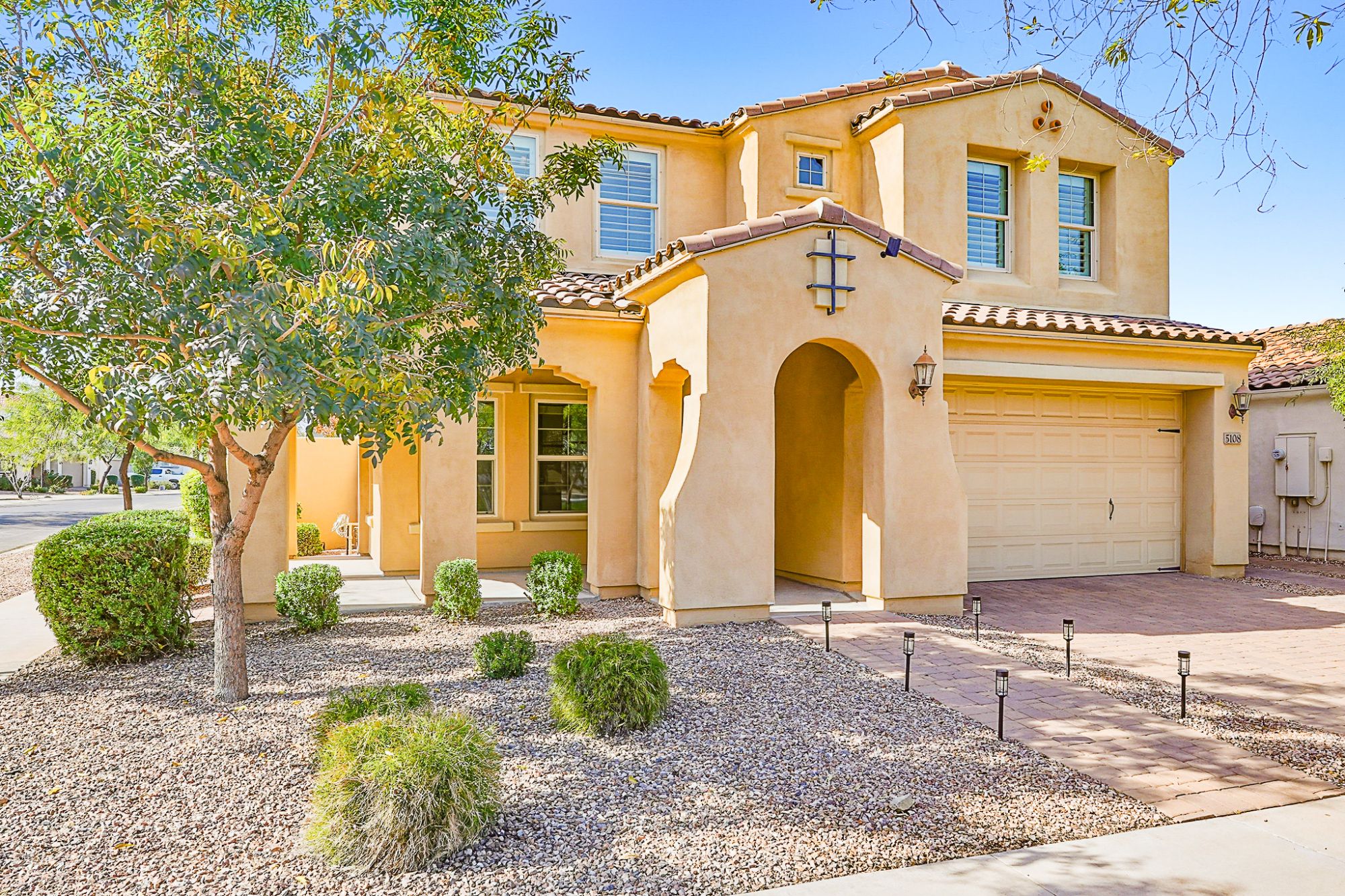 How to Choose the Right Home in Phoenix: The Smart Buyer's Guide
After years of helping families find homes across the Phoenix metro area, I've seen thousands of buyers make their choice. Some fall in love with a North Scottsdale estate with mountain views. Others choose a historic Arcadia bungalow or a new build in Gilbert.
But here's what I've learned: the buyers who are happiest five, ten, even twenty years later aren't always the ones who chose the prettiest house. They're the ones who chose strategically.
Choosing the right home in the Valley goes far beyond square footage, mountain views, and upgraded finishes. In our unique desert market, smart buyers focus on location, layout, and long-term livability—not just what looks good at the showing.
Let me share what three and a half decades in real estate has taught me about making choices you won't regret.
Why Phoenix Home Buying Is Different
The Phoenix metro area isn't like other markets. We have unique considerations that buyers from other states—or even other Arizona cities—don't always understand:
- Extreme heat means pool maintenance, cooling costs, and sun exposure aren't just nice-to-knows—they're budget factors
- HOA communities are everywhere, with wildly different fee structures and rules
- Master-planned communities in Gilbert, Queen Creek, and Surprise offer different lifestyles than central Phoenix neighborhoods
- Water rights and wells still matter in some areas
- Desert landscaping requires different thinking than traditional yards
- Commute patterns have shifted dramatically with the Valley's explosive growth
Understanding these Phoenix-specific factors is where experience matters.
The Three Pillars of Smart Phoenix Home Selection
1. Location: Valley Geography Matters More Than You Think
In Phoenix, you can't just pick "a good neighborhood." The Valley spans 9,200 square miles across multiple cities, each with distinct characteristics, price points, and lifestyle factors.
Where you choose impacts everything:
East Valley vs. West Valley vs. Central - Your commute, school options, amenities, and even your utility costs vary dramatically. Living in Surprise while working in Chandler means 90+ minutes of driving daily. That's 15+ hours per week—and hundreds in gas costs.
After 35 years, I can tell you: the homes people regret most often are the ones with brutal commutes they underestimated.
Proximity to the 101, 202, and I-10 - Freeway access isn't just about convenience. It's about time, stress, and resale value. A home near major corridors holds value better and appeals to more buyers when you sell.
School districts that matter - Paradise Valley Unified, Chandler Unified, Gilbert Public Schools, and Scottsdale Unified command premium prices for good reason. Even if you don't have kids, homes in top districts appreciate faster and sell quicker.
Neighborhood trajectory - I've watched areas transform over three decades. Downtown Phoenix and Roosevelt Row have exploded. Gilbert evolved from farmland to one of the fastest-growing cities in America. Queen Creek is experiencing the same boom Gilbert saw 15 years ago.
Phoenix-specific location factors:
- Heat islands: Older central Phoenix neighborhoods can be 5-10 degrees hotter than Ahwatukee or North Scottsdale
- Flood zones: Yes, even in the desert. Certain areas have wash flooding issues during monsoon season
- Airport flight paths: Sky Harbor and Deer Valley flight patterns affect some neighborhoods significantly
- Future development: Check city planning departments. That empty desert lot could become a massive shopping center or high-density housing
Smart location choices I've helped clients make:
- Choosing Chandler over far East Mesa for tech sector jobs and better resale
- Selecting South Scottsdale over North Scottsdale for walkability and lower HOA fees
- Picking Arcadia over Paradise Valley for central location and value appreciation
- Choosing Gilbert over Queen Creek for established schools and shorter commutes
You can renovate a kitchen, but you can't move your house closer to work or change your school district. Location is the one decision you're stuck with.
2. Layout: Desert Living Requires Different Thinking
A floor plan that works in Seattle doesn't necessarily work in Phoenix. Our climate, lifestyle, and culture demand different layout considerations.
Phoenix-specific layout priorities:
Indoor-outdoor flow - In the Valley, your outdoor space isn't just a yard—it's a second living room for 8+ months of the year. Homes with seamless transitions to covered patios, outdoor kitchens, and pool areas function better here. Look for:
- Large sliding or folding doors from living areas to patios
- Covered outdoor spaces (essential for year-round use)
- Pool visibility from kitchen/living areas (especially with kids)
- Outdoor kitchen positioning for entertaining
Sun exposure and window placement - West-facing windows without shade can make rooms unbearably hot and fade furniture. South-facing exposure requires good overhangs. East-facing primary bedrooms get brutal morning sun. After 35 years, I've learned which exposures work and which create problems.
Cooling efficiency - Layout affects your electric bill significantly:
- Open floor plans are harder to cool in summer
- Vaulted ceilings look dramatic but cost more to cool
- Pool equipment and AC unit placement matters for noise
The pool question - About 60% of Phoenix metro homes have pools. The question isn't whether you want one—it's whether you want to maintain one. A pool adds $100-200/month in costs (chemicals, electricity, water, cleaning). The layout should position it for:
- Safety and visibility if you have young children
- Minimal leaf debris (avoid placement under messy trees)
- Privacy from neighbors
- Equipment noise away from bedrooms
Garage considerations - In Phoenix, a 3-car garage isn't luxury—it's often necessity. That third bay becomes storage for pool equipment, yard tools, and sports gear. North-facing garages stay cooler; south-facing ones become ovens.
Storage for desert living - Phoenix homes need space for:
- Pool toys and floaties
- Desert hiking and outdoor gear
- Holiday decorations (we go big on Christmas lights)
- Extra pantry space (we stock up during summer to avoid store trips)
Casita or multi-gen layouts - With Arizona's popularity among retirees and multi-generational families, casitas add tremendous value. A separate guest suite with kitchenette and entrance is gold in our market.
Real example from my experience: I had clients choose a 2,200 sq ft home with excellent indoor-outdoor flow and a 3-car garage over a 2,800 sq ft home with a cramped layout and tiny patio. Five years later, they've hosted countless gatherings and never regretted "downsizing" because the space functions so much better for Phoenix living.
3. Long-Term Livability: The Phoenix Market Perspective
With 35+ years of Phoenix market data in my head, I can tell you what holds value and what doesn't. The right home protects your investment even as the Valley continues its explosive growth.
HOA considerations - This is huge in Phoenix. We have some of the most extensive HOA communities in the nation.
What I tell every buyer:
- Monthly fees range from $35 to $800+
- Some cover landscaping, pools, and rec centers; others just manage common areas
- Read the CC&Rs carefully—some HOAs restrict vehicle types, paint colors, and holiday decorations
- Special assessments happen—I've seen communities hit with $5,000-15,000 per home for road or roof repairs
Low HOA fees aren't always better. Well-managed HOAs with adequate reserves protect your property values.
Desert maintenance realities - Phoenix homes require specific upkeep:
- HVAC systems: Replaced every 10-15 years at $5,000-8,000+ (they work hard here)
- Roof lifespans: Tile and shigle roofs have different lifespans and needs
- Desert landscaping: Saves water but needs seasonal maintenance
- Pool resurfacing: Every 10-15 years at $5,000-7,000
- Exterior paint: Sun degrades faster than in other climates
- Pest control: Scorpions, termites, and roof rats are Valley realities
I help buyers understand these true ownership costs before they buy.
Water and utilities - Different Valley cities have different utility providers and rates:
- SRP vs. APS electricity (most neighborhoods only have one option)
- City water vs. well systems (still common in Cave Creek, Rio Verde, far North Scottsdale)
- Wastewater vs. septic (affects your lot size and maintenance)
Summer electric bills for a 2,500 sq ft home can range from $250-500+ depending on home age, insulation, and pool equipment.
Master-planned communities - Gilbert, Queen Creek, Goodyear, and Surprise have exceptional master-planned communities with:
- Resort-style amenities (pools, gyms, parks)
- Strong community culture
- Higher HOA fees but often better long-term value
- Family-friendly infrastructure
These communities attract young families and hold value exceptionally well.
Resale considerations in the Phoenix market:
After 35+ years, I know what sells fast and what sits:
Homes that move quickly: ✓ 3+ bedrooms, 2+ bathrooms ✓ Pool or pool-sized yard ✓ 2-3 car garage ✓ Good school districts (Gilbert, Chandler, Scottsdale) ✓ Freeway access ✓ Updated kitchens and bathrooms ✓ Energy-efficient features
Homes that struggle: ✗ Heavy customization (too specific to one buyer's taste) ✗ No garage or 1-car only ✗ Popcorn ceilings and dated finishes ✗ Poor freeway access in far suburbs ✗ Highly restrictive HOAs ✗ Homes near industrial areas or major noise sources
Appreciation patterns I've observed:
The Phoenix metro has seen incredible appreciation over 35 years, but not uniformly:
- Central Phoenix/Arcadia: Consistent strong appreciation, walkability premium
- Scottsdale: Always commands premium, especially areas with mountain views
- Gilbert/Chandler: Explosive growth, excellent schools drive demand
- Surprise/Goodyear West Valley: Growing rapidly, more affordable entry point
- Queen Creek: Current hot spot, similar to Gilbert's trajectory 15 years ago
Climate change and future-proofing - After 35 years watching the Valley grow, I consider:
- Water sustainability (though Arizona has better water management than most realize)
- Heat island effects (lighter-colored homes, quality insulation matter more now)
- Energy efficiency (solar panels are increasingly common and valuable)
- Climate-controlled garages (becoming standard in luxury homes)
Common Phoenix Home-Buying Mistakes (That I've Seen Repeatedly)
Underestimating summer heat - Buyers from out of state see Phoenix in February and think "this is paradise!" Then summer hits. That west-facing wall of windows becomes a furnace. The unshaded backyard is unusable June-September. Plan for our reality.
Choosing the wrong Valley location - "We'll just commute from Surprise to Tempe—it's only 35 miles!" Until you're doing it daily through traffic. Distance means something different in a metro this spread out.
Ignoring HOA red flags - I've seen buyers breeze through CC&Rs and regret it. Some HOAs are poorly managed with depleted reserves. Some have rules that don't match your lifestyle. Read everything.
Overextending for a bigger house - The 3,500 sq ft house seems perfect until you're cooling it all summer and cleaning it year-round. Sometimes the 2,200 sq ft home in a better location is smarter.
Skipping pool inspection - Pool issues can cost $10,000-25,000 to fix. Always get pool-specific inspection with equipment analysis.
Not factoring desert landscaping costs - Removing grass and installing desert landscaping costs $5,000-15,000+. Budget for it if the home has high-maintenance turf.
Buying based on winter weather - Love that outdoor fireplace and no covered patio? You'll use the fireplace 2 months and wish for shade the other 10.
Why 35+ Years of Phoenix Experience Matters
Here's what three and a half decades in the Valley has taught me that you can't learn from Zillow:
I remember when Gilbert was farmland - I've watched entire cities transform. I know which areas have staying power and which are flash-in-the-pan developments.
I've navigated multiple market cycles - The late 80s, the 2008 crash, the pandemic boom. I've helped buyers succeed in every market condition.
I know the neighborhoods intimately - Not just the popular ones—the hidden gems, the upcoming areas, the spots where savvy buyers find value.
I understand Phoenix infrastructure - Which areas are getting new schools, freeway expansions, commercial development. This insider knowledge affects your investment.
I have relationships throughout the Valley - Inspectors who know desert homes, lenders who understand our market, contractors for repairs, HOA management companies. My network saves clients time and money.
I can predict appreciation patterns - After watching trends for 35+ years, I can identify areas positioned for growth versus areas plateauing.
Making Your Phoenix Home Decision with Confidence
Choosing the right home in the Phoenix metro area is one of the biggest decisions you'll make. The difference between a smart choice and an expensive mistake often comes down to having someone who truly knows this market.
You deserve guidance from someone who:
- Understands Phoenix's unique challenges and opportunities
- Has seen markets rise and fall and knows what holds value
- Can analyze locations, layouts, and livability factors specific to desert living
- Provides honest advice prioritizing your long-term success
David Thomas Realtor brings 35+ years of Phoenix metro expertise to every home search. From Scottsdale to Gilbert, Chandler to Surprise, Arcadia to Queen Creek—I know this Valley inside and out. You'll get insider insights, strategic guidance, and honest perspectives that only decades of local experience can provide.
Ready to Find Your Perfect Phoenix Home?
Don't navigate the Valley's complex market alone. Get expert guidance from someone who's been helping Phoenix buyers make smart decisions since before many of today's neighborhoods even existed.
📞 Call David Thomas today at [YOUR PHONE NUMBER] for a personalized consultation. Let's find a home you'll love for decades to come—not just during the house tour.
About David Thomas Realtor
With 35+ years serving the Phoenix metro area, David Thomas has helped thousands of families find homes that truly fit their lifestyle and protect their investment. From first-time buyers to luxury estates, relocations to investment properties, David's deep knowledge of Valley neighborhoods, market trends, and desert living ensures you make confident, strategic decisions. Serving Scottsdale, Paradise Valley, Phoenix, Arcadia, Tempe, Chandler, Gilbert, Mesa, Queen Creek, Surprise, Goodyear, and surrounding communities.
Recent Posts






Making real estate fun, simple and stress-free!