
Is "Buy the Worst House in the Best Neighborhood" Actually Good Advice?
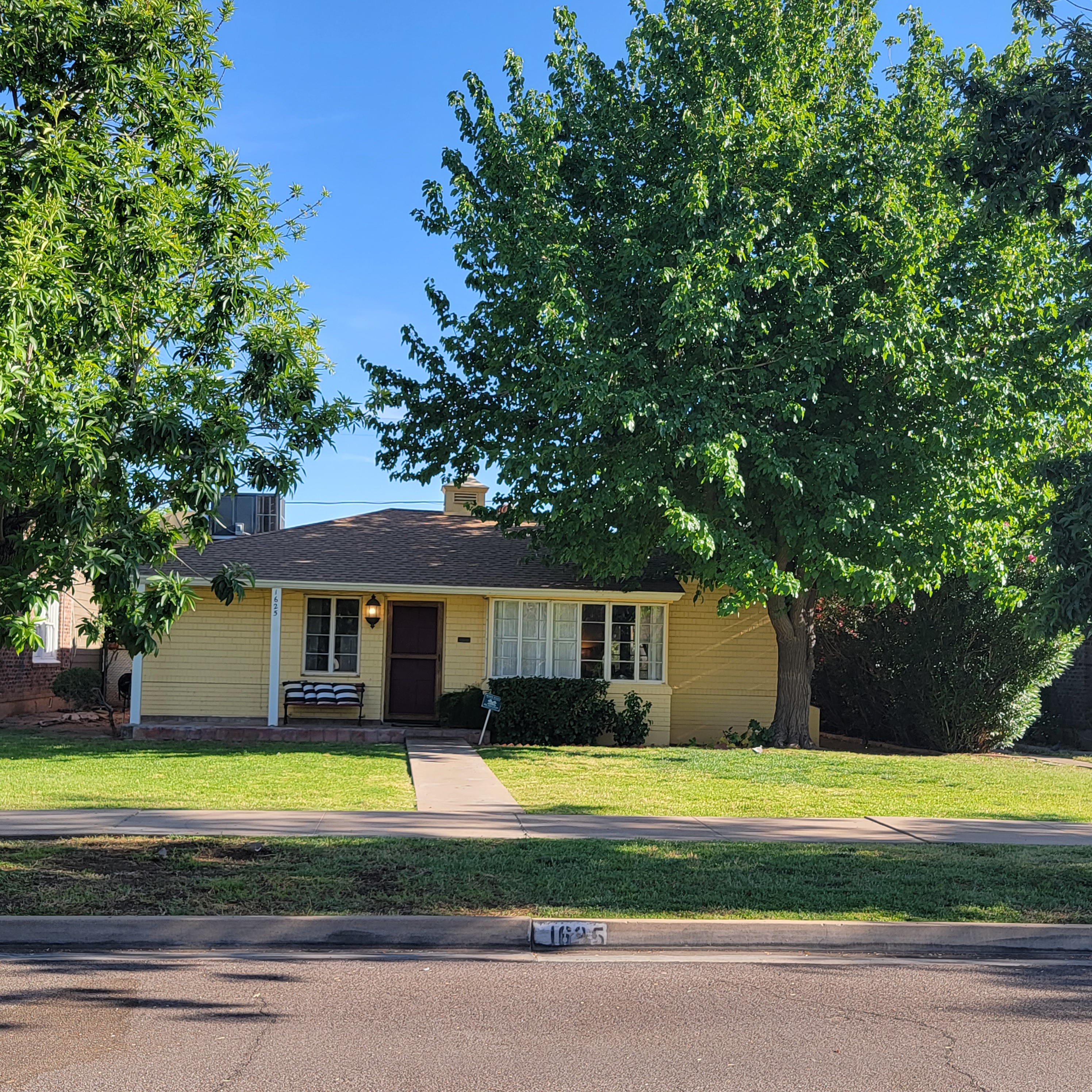
Is "Buy the Worst House in the Best Neighborhood" Actually Good Advice?
By David Thomas, REALTOR®
You've probably heard it a hundred times. Maybe from your parents, a coworker, or that one uncle who fancies himself a real estate expert at every family dinner. "Buy the worst house in the best neighborhood you can afford."
It rolls off the tongue like gospel. But is it actually good advice — or is it one of those real estate sayings that sounds smart until you really think about it?
The honest answer? It depends. But let me break it down for you, because there's a lot of truth in it — and a few traps people don't talk about nearly enough.
Why the Saying Exists (And Why It's Often Right)
The core idea behind this advice is solid, and it comes down to one word: appreciation.
Real estate values are heavily influenced by the neighborhood around them. When you buy the least expensive home on the block, you benefit from what appraisers call "upward pressure" — your home's value gets pulled up by the nicer homes surrounding it. Meanwhile, the owner of the most expensive home on the block often sees downward pressure because the surrounding homes limit how high the value can climb.
In other words, you want to be the underdog — the one with room to grow.
Here's what else makes this strategy smart:
- Location is the one thing you can never change. You can renovate a kitchen. You can add a bathroom. You can redo the landscaping. But you cannot pick up a house and move it to a better school district or a safer street. Locking in a great location from day one is always a win.
- Sweat equity is real. If the "worst house" just needs cosmetic updates — fresh paint, new flooring, updated fixtures — you can build serious value through smart improvements. Buy it at a lower price, put in some work, and you've created equity that didn't exist before.
- Comparable sales work in your favor. When it comes time to sell or refinance, appraisers look at nearby sales. If your neighbors' homes are selling for $50K–$100K more than yours, that pulls your value upward. That's the market working for you.
The Part Nobody Warns You About
Here's where I pump the brakes a little — because this advice isn't without its risks, and I'd rather you go in with eyes wide open.
"Worst house" can mean a lot of different things.
There's a difference between a house that needs new carpet and a house that needs a new roof, foundation work, and an updated electrical panel. Cosmetic issues are opportunities. Structural issues are money pits. Before you get excited about a bargain, always — always — get a thorough home inspection. Know exactly what you're buying.
Renovation costs can spiral fast.
Contractors are busy, materials cost more than they used to, and projects almost always take longer and cost more than originally estimated. If you're planning to buy a fixer-upper with the intention of improving it, build a cushion into your budget. A good rule of thumb: whatever you think it'll cost, add 20%.
Best neighborhood for whom?
"Best neighborhood" means different things to different people. The best neighborhood for a young family with kids looks different from the best neighborhood for a retiree or a first-time buyer with a long commute. Define what "best" means for your life before you start shopping. Think about schools, commute times, walkability, proximity to things you actually use, and the long-term trajectory of the area.
Don't stretch yourself into financial stress.
The saying is "the best neighborhood you can afford" — and that word afford is doing a lot of heavy lifting. If buying in a certain area means you're house-poor, stressed about the mortgage, and unable to fund the repairs the home needs, you haven't made a smart investment. You've just bought yourself a headache. Be honest about your budget.
So… Should You Follow This Advice?
Here's my take after years of helping buyers and sellers navigate the Arizona market:
Yes — with a few modifications.
✅ Buy in the best neighborhood your budget comfortably allows.
✅ Look for homes that need cosmetic work, not structural overhauls.
✅ Think long-term. Real estate rewards patience.
✅ Get a great inspector and know what you're walking into.
✅ Make sure "best neighborhood" aligns with your actual lifestyle and needs.
The saying is good advice at its core because it prioritizes the things that matter most in real estate: location, long-term value, and room to grow. But like any rule of thumb, it works best when you apply a little common sense alongside it.
Real estate is one of the biggest financial decisions you'll ever make, and I don't think you should navigate it on a catchy saying alone. That's what I'm here for.
If you're thinking about buying — whether it's your first home or your fifth — let's sit down and talk through your goals, your budget, and what "best neighborhood" actually means for your life. There's no one-size-fits-all answer, but there is a right answer for you.
Recent Posts




Making real estate fun, simple and stress-free!